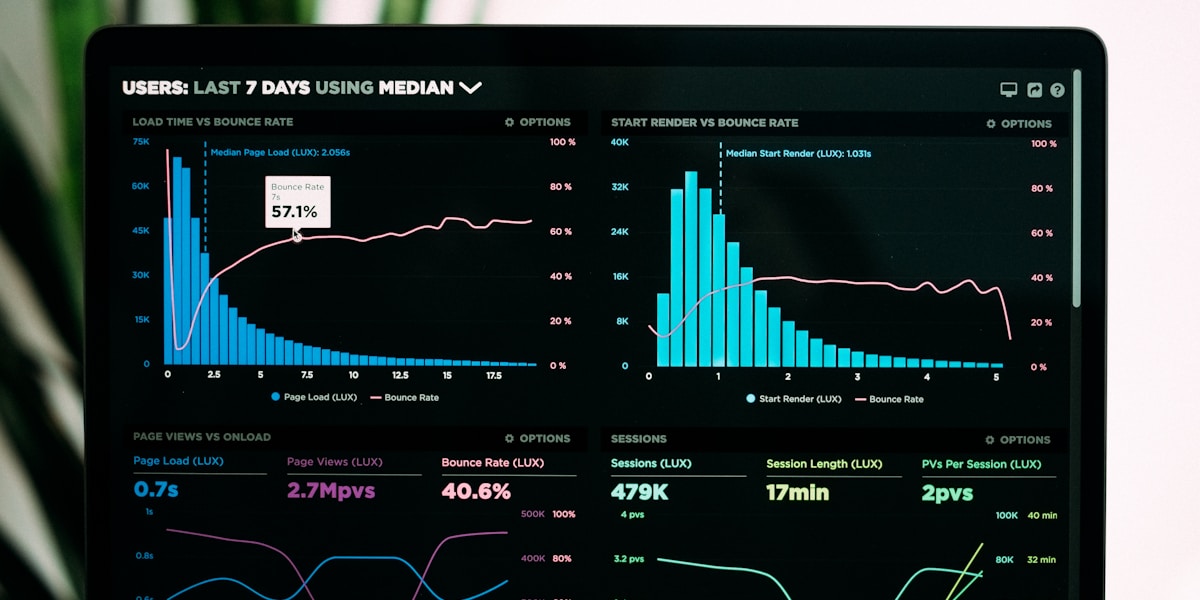
Google's Core Web Vitals have become one of the most critical ranking factors in 2026. These metrics measure real-world user experience and directly impact your search visibility. In this comprehensive guide, I'll show you exactly how to optimize your website for all three Core Web Vitals metrics.
What Are Core Web Vitals?
Core Web Vitals are a set of three specific factors that Google considers important in a webpage's overall user experience:
- Largest Contentful Paint (LCP) - Loading performance
- Interaction to Next Paint (INP) - Interactivity
- Cumulative Layout Shift (CLS) - Visual stability
1. Optimizing Largest Contentful Paint (LCP)
LCP measures how long it takes for the largest content element to become visible. To achieve a "Good" LCP score (under 2.5 seconds):
- Optimize your server response time with quality hosting
- Compress images using WebP or AVIF formats
- Implement responsive images with srcset
- Preload critical resources
2. Improving Interaction to Next Paint (INP)
INP measures how quickly your page responds to user interactions. A good INP score is under 200 milliseconds:
- Break up long JavaScript tasks
- Use code splitting
- Minimize work in event handlers
- Consider using web workers
3. Reducing Cumulative Layout Shift (CLS)
CLS measures visual stability. A good CLS score is under 0.1:
- Always include size attributes on images
- Reserve space for dynamic content
- Use font-display: swap for web fonts
- Avoid inserting content above existing content
Tools for Measuring Core Web Vitals
- Google PageSpeed Insights - Comprehensive analysis
- Google Search Console - Site-wide Core Web Vitals report
- Chrome DevTools - Real-time debugging
- Web Vitals Extension - Quick browser checking
Conclusion
Core Web Vitals are essential for SEO success in 2026. By focusing on LCP, INP, and CLS, you'll improve both your search rankings and user experience. Start with the biggest opportunities identified in PageSpeed Insights.